Ouranoos is the encrypted, peer-to-peer cloud of the Empoorio ecosystem: your files are encrypted on your device, addressed by content, stored across independent nodes and paid for in DMS through pallet-storage-market on EmpoorioChain.

Every storage deal is a contract on EmpoorioChain. Providers publish capacity and price per GB per block; clients pick a provider and the chain holds the terms. Since runtime 221 the pallet bills by the exact byte, so a 2 MB photo costs 2 MB — not a rounded gigabyte.

The client is a Flutter app for Android, iOS, web and desktop; the market is a Rust pallet in the EmpoorioChain runtime; transport is IPFS. 135 tests, zero mocks: encryption, content addressing, proofs, payments and the provider mode are the real circuits, not demos.
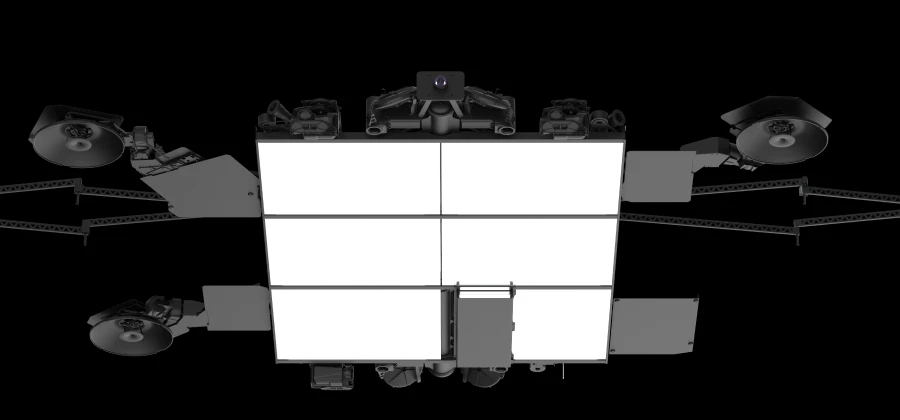
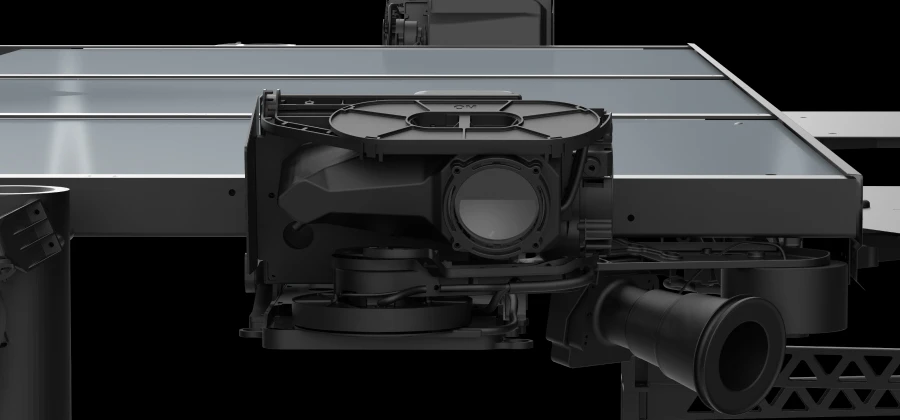

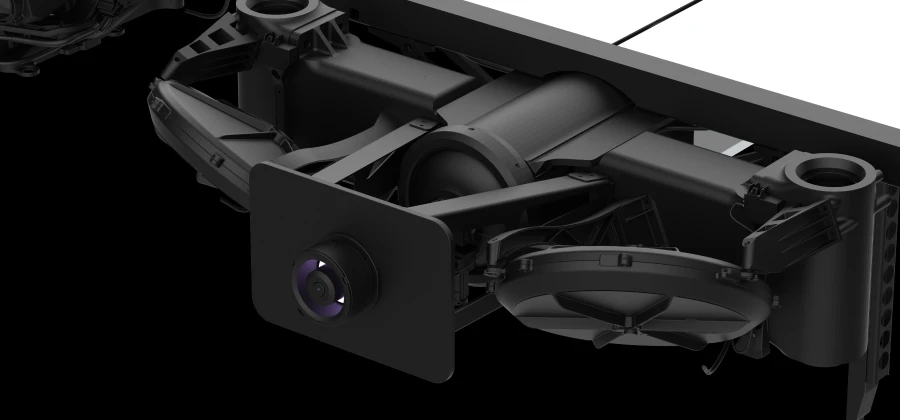


Spare disk and a stable connection are enough to publish capacity on pallet-storage-market. The provider mode of the app registers your node, submits proofs and collects DMS. Tell us where you are and what you can host.

A conventional cloud keeps your files in one company's data centres, readable by that company, priced by that company and reachable only while your account exists. Ouranoos inverts it: the file is encrypted before upload, split into content-addressed blocks, stored by nodes that compete on price, and governed by a contract on a public chain you can inspect block by block.

Every provider, price and contract is public state on EmpoorioChain. The nodes page lists what is registered today; the docs describe the pallet calls, the proof format and how to read the storage market from any Substrate client.

Honest status, 16 September 2026: the app is in internal testing on Google Play (versionCode 2), the pallet is live on the public testnet with byte billing, and the market holds 0 providers and 0 contracts — the first node is Empoorio's own. There is no mainnet, and testnet DMS has no value. What exists is the circuit, verified end to end; what does not exist yet is the crowd of providers.

Ouranoos cannot read what you store, and neither can a provider. Biometric unlock is native (local_auth), sharing produces a permanent gateway link you control, and sign-in issues Empoorio's own JWT — nothing about your files depends on a third party's account system.
Releases, network status and provider onboarding.